 By IQNewsWire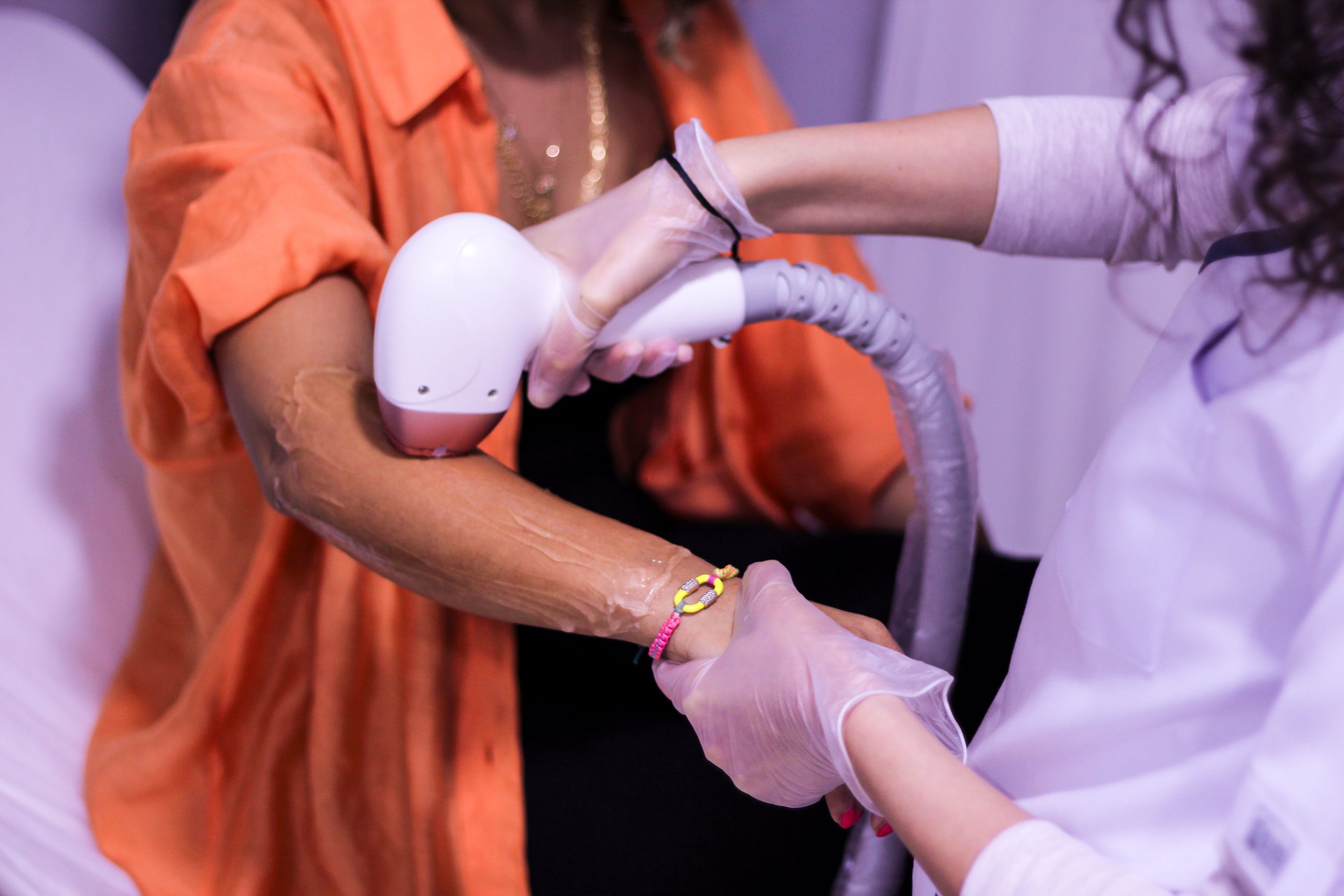
Shaving, waxing, plucking, repeat. The average person spends a staggering amount of time and money on temporary hair removal over a lifetime, which explains why laser hair removal has become one of the most requested treatments in medical aesthetics. The technology has improved dramatically in the past decade, treating a wider range of skin tones safely and more comfortably than early devices ever could. If you are considering making razors optional, here is an honest look at how it works, what it feels like, and how to get the best results.
Laser hair removal targets the pigment in hair follicles. The device delivers concentrated light energy that is absorbed by the melanin in the hair, converting to heat that damages the follicle’s ability to regrow. Because the laser needs to catch follicles in their active growth phase, and only a portion of your hair is in that phase at any moment, a series of sessions spaced several weeks apart is required, typically six to eight for most areas.
The result is permanent hair reduction: most people see a dramatic decrease in hair density and thickness, with any regrowth finer and lighter. Occasional maintenance sessions keep results polished over the years.
Most people describe the sensation as a quick rubber-band snap with warmth, and modern devices with built-in cooling make treatments far more comfortable than older generations. Sessions are fast: underarms take minutes, while larger areas like legs or backs take longer. There is essentially no downtime, though the treated area may look slightly flushed for a few hours, and diligent sun protection before and after treatment is essential for safety and results.
Preparation is simple but matters: shave the area a day before, avoid waxing or plucking for weeks prior (the follicle must be present for the laser to target), and skip tanning. Your provider will give exact guidance based on your skin and the device used.
This is the part too many people learn the hard way. Laser hair removal is a medical procedure, and outcomes depend heavily on two factors: the quality of the device and the training of the operator. Skin tone and hair color determine which laser type and settings are safe and effective for you; the wrong combination risks burns, pigment changes, or simply wasted money on ineffective sessions.
Anyone researching laser hair removal Toms River options should ask direct questions: What device do you use, and is it appropriate for my skin tone? Who performs the treatment, and what is their training? Is there medical oversight on site? How many sessions do you realistically estimate for my hair and skin type? A reputable medical spa answers all of these easily and performs a patch test or thorough consultation before committing you to a package.
Run your own numbers: add up years of razors, waxing appointments, and the time spent on both, and laser treatment frequently pays for itself while eliminating ingrown hairs and razor irritation entirely. The satisfaction rates among people who complete their full series are consistently among the highest in aesthetic medicine.
Smooth skin without the weekly maintenance is genuinely achievable. The key is treating it as the medical procedure it is: right provider, right device, realistic expectations, and the patience to complete the series.
 admin
admin