 By admin
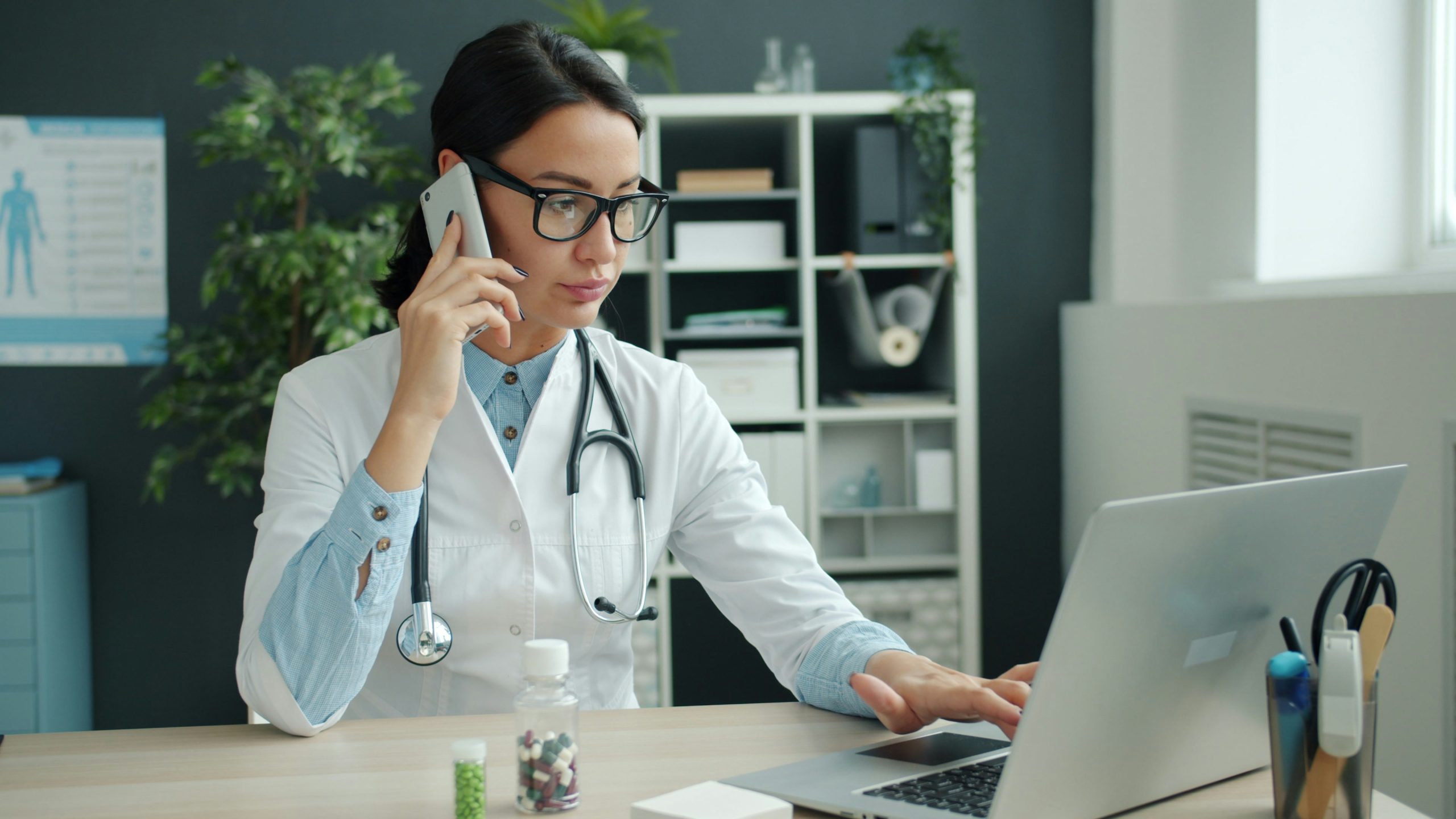
In the past few decades, the field of healthcare has changed dramatically, with breakthroughs in medical research, technology, and diagnostics, and an improved focus on patient care. Experimental or unavailable treatments are now part of routine medicine, and new treatments are becoming available that better detect, manage, and prevent diseases. The new health care is not the treatment of symptoms when they are identified. Doctors are taking extra measures to detect health issues at an early stage, tailor treatment to the patient’s specific needs, and promote long-term health outcomes. Early detection of health problems, treatment specific to the patient, and the promotion of long-term health outcomes have been a growing concern.
One of the most important developments in modern healthcare is the ability to identify diseases earlier and with greater accuracy. Diagnostic technologies, advanced imaging, laboratory testing, genetic testing and computer-assisted interpretation, provide more information for the health care provider. Early detection might be especially crucial for diseases that may manifest no outward symptoms but could progress to a more severe disease, such as certain cancers and cardiovascular and metabolic diseases. Early detection and identification of the problem via regular screening and improved diagnostics allow doctors to make the problem easier to manage. Also, EHRs make it easier for health care providers to access a patient’s records, test results, medications, and treatments in the past. In conjunction with clinical knowledge, these tools can help to make quicker and more informed decisions and minimise the risk of missing information.
With today’s modern approach to medicine, it’s becoming common knowledge that two individuals with identical diagnoses can have varying recoveries in response to identical treatments. This has helped to develop more personalized treatment plans with consideration to genetic, lifestyle, age, existing disease, and previous experience with therapy. Precision medicine is one component of this transformation and is integral to many modalities of medicine, including oncology, where genetic information may be used in the selection of more optimal treatment for specific tumor types. One-to-one care can also involve changing the dosage of medication, rehabilitation plans, dietary plans, or monitoring schemes. Healthcare professionals need not simply resort to a one-size-fits-all approach to treatment; they should have access to medical evidence and individual patient information to create more individualized treatment plans. This can help to enhance efficiency and steer clear of useless interventions and side effects.
It might be particularly useful for certain less common and more complicated illnesses, when a diagnosis and treatment may require more than a physician’s general knowledge. Different professionals such as physicians, surgeons, therapists, nurses, dietitians, and more can work together and take on different aspects of the patient’s needs through a multidisciplinary approach. Canada is one such country, known for its excellent medical services, and several medical experts and medical centers provide an array of high-tech services. For individuals seeking treatment for lipedema and other conditions, for example, consulting experts in lipedema from Toronto can be one way to explore specialized knowledge and understand which diagnostic or treatment approaches may be appropriate. Access to experienced specialists can make a meaningful difference when patients require a more individualized assessment and coordinated care.
Technology innovations have also modified how many medical processes are carried out. In some cases, physicians can use less invasive methods to treat certain conditions that may involve the patient having less pain, tissue damage, and a shorter recovery time than some traditional surgical techniques. Patients are treated with the help of new technologies such as robotic surgery, advanced endoscopy, image-guided surgical interventions, and much more. Medical devices have also evolved to allow easier monitoring and management of chronic conditions and during the same time. The use of wearable technology, remote monitoring systems, and connected medical devices can supply valuable information for healthcare professionals beyond the clinic.
Digital technology is increasingly gaining importance in medical care. Thanks to telemedicine, patients don’t always have to go to a clinic for follow-up appointments or some consultations with healthcare professionals, making the process easier. Digital platforms and AI can also help in scheduling appointments, medication management, viewing medical records, and communicating with healthcare providers. Various areas of application for AI are being explored and developed, including medical imaging, discovery of drugs, clinical decision support, administrative tasks, and more. However, technology must be implemented in a patient-friendly way, with respect for patient privacy and data security, precision, and human choice. Ideal digital health products are used with, not in place of, the expertise of health care professionals and add value to the patient-provider relationship.
While no single treatment or technology can ensure success, ongoing investment in research, responsible innovation, and patient-focused care can help make health care a better experience in the future. In an ever-changing field of medicine, the marriage of science and compassionate professional care will continue to make a difference in patients’ lives.