 By admin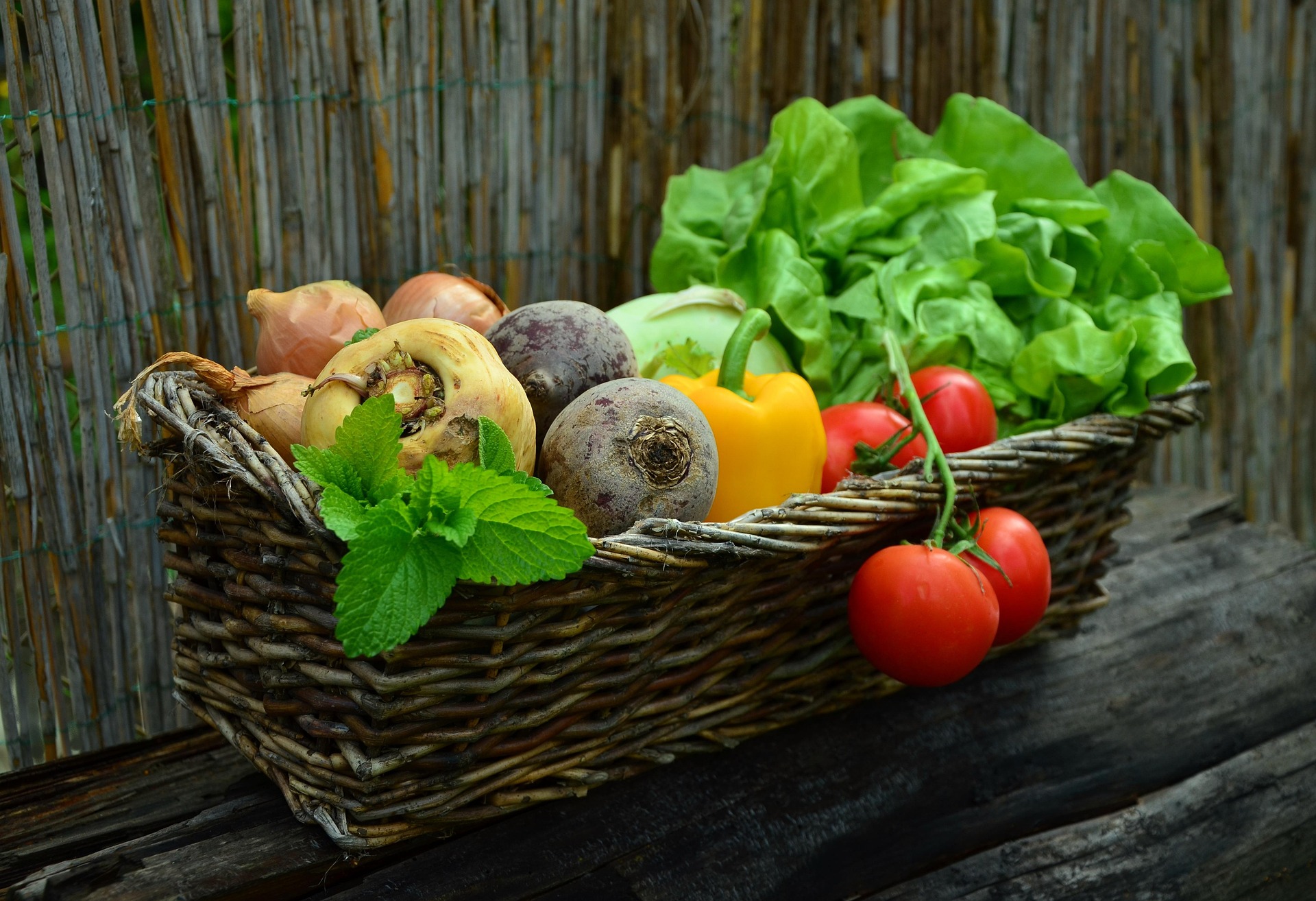
The phrase Pravi Celer is commonly used in many South Slavic languages, including Croatian, Serbian, and Bosnian, where the pravi form translates the expression “real,” “real,” or “authentic” together as “true celery.” Rather than describing the most specific varieties, the phrase generally refers back to the whole, traditional celery plant (Apium graveolens) which includes stalks, leaves, seeds and roots, all of which are valued in cooking and traditional wellness practices try to figure out.
Unlike the chopped celery commonly found in many supermarkets, Pravi Celer emphasizes using every fit for human consumption of a part of the plant The stem adds freshness and crunch, the leaves contribute an aromatic herbal flavor, as does the base — often known as celery, a soup dish. This whole-plant technique, which gives roasted dishes a rich, earthy flavor, has been practiced across Central and Eastern Europe for generations and demonstrates a sustainable philosophy where little is wasted. Today, chefs, nutritionists and home gardeners understand Pravi Kjallaran because it combines culinary diversity with outstanding food costs.
The story of Pravi Celer stretches back centuries. Celery itself has been cultivated since ancient Mediterranean civilizations, but in Balkan and Slavic cultures it evolved into far more than a simple vegetable. Families traditionally grew celery in backyard gardens, harvesting not only the crisp stalks but also the flavorful root and fragrant leaves. During colder months, celery became an essential ingredient in soups, broths, meat dishes, and vegetable stews, providing both flavor and nourishment.
Across Croatia, Serbia, Bosnia, Slovenia, and neighboring regions, Pravi Celer symbolizes authenticity and traditional cooking. Grandparents often passed recipes from one generation to another, teaching that every part of the plant had a purpose. This philosophy remains popular today as people increasingly seek locally grown produce, whole foods, and sustainable cooking methods. Modern food writers have also helped renew interest in Pravi Celer, highlighting its connection to heritage cuisine and its role in healthy eating habits.
One reason Pravi Celer has maintained its popularity is its outstanding nutritional profile. Despite being naturally low in calories, celery contains numerous vitamins, minerals, antioxidants, and dietary fiber that support overall wellness. Because approximately 95% of celery consists of water, it also contributes significantly to daily hydration while providing satisfying crunch and flavor.
| Nutrient | Primary Benefit |
|---|---|
| Vitamin K | Supports healthy bones and blood clotting |
| Vitamin C | Helps strengthen immunity |
| Potassium | Supports normal blood pressure |
| Folate | Assists healthy cell growth |
| Fiber | Improves digestive health |
| Antioxidants | Help reduce oxidative stress |
Scientists continue to study celery’s naturally occurring plant compounds, including flavonoids and polyphenols, which may contribute to its antioxidant activity. Although celery should not be considered a miracle food, incorporating Pravi Celer into a balanced diet offers a practical way to increase vegetable intake while consuming essential nutrients. Nutrition experts generally recommend eating a variety of vegetables, and celery fits perfectly within that recommendation because it is versatile, affordable, and easy to prepare.
One of the biggest reasons Pravi Celer continues to be appreciated in traditional kitchens is its positive effect on digestion. Celery contains dietary fiber, which helps maintain regular bowel movements and supports a healthy digestive system. Although the stalks are mostly water, they also provide enough insoluble fiber to encourage smoother digestion while helping people feel satisfied after meals. This combination of water and fiber makes Pravi Celer an excellent addition to balanced eating plans aimed at improving overall gut health.
Another benefit comes from celery’s naturally occurring plant compounds. Researchers continue to investigate how these antioxidants and phytonutrients may help protect digestive tissues from oxidative stress. While celery should never replace medical treatment for digestive disorders, including it regularly in meals can complement a healthy lifestyle. Many traditional soups and broths feature celery because slow cooking releases its pleasant aroma while preserving much of its nutritional value.
People who want to improve digestion often pair Pravi Celer with other vegetables such as carrots, onions, parsley, and leeks. Together, these ingredients create flavorful meals that are both filling and nutrient-dense. Eating a variety of vegetables instead of relying on supplements remains one of the simplest ways to support long-term digestive wellness.
Another important reason people search for Pravi Celer is its reputation as a heart-friendly vegetable. Celery naturally contains potassium, an essential mineral involved in maintaining healthy blood pressure by balancing sodium levels in the body. Although celery alone cannot prevent cardiovascular disease, incorporating potassium-rich vegetables into a balanced diet aligns with recommendations from many nutrition professionals.
The antioxidants found in celery may also help reduce oxidative stress, which researchers believe plays a role in long-term cardiovascular health. Combined with a diet rich in fruits, vegetables, whole grains, and lean proteins, Pravi Celer becomes part of a heart-conscious eating pattern rather than a stand-alone solution.
Because celery is naturally low in calories, saturated fat, and cholesterol, it can easily replace higher-calorie snacks. Many people enjoy fresh celery sticks with hummus, yogurt-based dips, or nut butter as a healthier alternative to processed snacks. Small dietary changes like these can contribute to better eating habits over time.
For anyone trying to maintain or lose weight, Pravi Celer offers several practical advantages. Its high water content and low calorie count mean you can enjoy generous portions without significantly increasing your daily calorie intake. At the same time, the fiber content promotes fullness, making it easier to avoid unnecessary snacking between meals.
Healthy eating isn’t about eliminating foods—it is about making smarter choices. Pravi Celer fits naturally into salads, soups, stir-fries, smoothies, and vegetable platters. Its crisp texture adds variety to meals, helping people enjoy vegetables more often without feeling restricted.
Fitness enthusiasts also appreciate celery because it pairs well with protein-rich foods. Whether served alongside grilled chicken, mixed into tuna salad, or blended into green smoothies, it contributes flavor, hydration, and nutrients while keeping meals light and refreshing.
The vitamins and antioxidants found in Pravi Celer contribute to overall wellness. Vitamin C supports the normal function of the immune system, while vitamin K plays an important role in bone health and blood clotting. Folate, potassium, and other micronutrients further enhance celery’s nutritional value.
Hydration also deserves attention. Since celery consists primarily of water, it helps increase daily fluid intake through food. Staying properly hydrated supports numerous bodily functions, including temperature regulation, nutrient transport, and healthy skin.
While no single vegetable can guarantee perfect health, regularly eating a diverse selection of vegetables—including Pravi Celer—provides the body with nutrients needed for everyday functioning. Health experts consistently recommend focusing on overall dietary patterns rather than searching for one “superfood.”
Throughout the Balkans and Central Europe, Pravi Celer has long been considered an essential kitchen ingredient. Families often use the entire plant, minimizing waste while maximizing flavor. The stalks add freshness to salads and soups, the leaves work as aromatic herbs, and the root provides a rich, earthy taste that enhances hearty dishes.
One of the most common uses is in homemade vegetable broth. Along with carrots, onions, parsley, and garlic, celery creates a flavorful base for countless recipes. Slow simmering allows the vegetable to release its natural sweetness while enriching the broth without requiring excessive salt.
Roasted celeriac has also become increasingly popular. When baked with olive oil, herbs, and spices, it develops a creamy texture that pairs well with roasted meats or vegetarian meals. Many households prepare celery root mash as a nutritious alternative to mashed potatoes.
Fresh celery is equally versatile. It can be sliced into salads, stuffed with soft cheese, blended into green juices, or added to wraps and sandwiches for extra crunch. Because of its mild flavor, it complements both traditional and modern recipes.
Today’s chefs have found creative ways to bring Pravi Celer into contemporary cuisine. Fine dining restaurants often feature thinly shaved celery in gourmet salads, while home cooks experiment with roasted stalks, fermented celery, and vegetable chips.
Smoothies have become another popular option. Combining celery with cucumber, spinach, apple, lemon, and ginger creates a refreshing beverage packed with vitamins and minerals. Although “celery juice” became a wellness trend in recent years, nutrition experts generally agree that eating the whole vegetable provides more dietary fiber than juicing alone.
Another modern approach is meal preparation. Chopped celery stores well in the refrigerator and can quickly be added to soups, pasta sauces, grain bowls, and stir-fries throughout the week. This convenience encourages people to consume more vegetables without spending extra time preparing meals each day.
Professional chefs also appreciate celery’s ability to balance stronger flavors. Whether paired with seafood, poultry, legumes, mushrooms, or root vegetables, Pravi Celer contributes subtle freshness that enhances rather than overwhelms a dish.
Growing Pravi Celer can be a rewarding experience for both beginner and experienced gardeners. Although celery has a reputation for requiring patience, the results are well worth the effort. The plant thrives in cool weather, fertile soil, and consistent moisture. Unlike many vegetables that tolerate dry conditions, celery performs best when the soil remains evenly moist throughout the growing season. Gardeners often enrich the soil with compost before planting to improve fertility and water retention, creating an ideal environment for healthy root and stalk development.
Seeds are typically started indoors several weeks before the last expected frost because celery has a relatively long growing season. Once the seedlings are strong enough, they are transplanted outdoors into garden beds or raised planters with adequate spacing. Regular watering, mulching, and occasional feeding with balanced fertilizer help encourage vigorous growth. Removing weeds around the plants also reduces competition for nutrients and water.
One of the greatest advantages of growing Pravi Celer is that nearly every part of the plant can be harvested and used. The stalks provide crisp texture for fresh dishes, the leaves make an excellent seasoning for soups and sauces, and the root can be harvested later for roasting or pureeing. Home gardeners often appreciate the freshness and flavor of garden-grown celery, which can be noticeably more aromatic than commercially produced varieties. Growing your own supply also supports sustainable eating by reducing transportation and packaging waste.
Harvesting Pravi Celer at the right time helps preserve its flavor and nutritional value. The stalks are usually ready once they become firm, crisp, and reach a suitable size. Gardeners can either harvest individual stalks as needed or remove the entire plant at once. If the goal is to enjoy celery root, allowing the root to mature fully before harvesting ensures the best texture and taste.
After harvesting, proper storage is essential to maintain freshness. Whole celery plants last longer when stored in the refrigerator, ideally wrapped loosely in aluminum foil or kept in a breathable produce bag. This method helps retain moisture while preventing excess condensation that can accelerate spoilage. Celery leaves should also be stored because they remain useful as herbs for soups, stews, salads, and homemade seasoning blends.
Freezing is another practical option for long-term storage. Chopped celery can be blanched briefly before freezing, making it convenient for future soups and casseroles. The root may also be peeled, diced, and frozen for later use. These preservation methods allow families to enjoy Pravi Celer throughout the year without sacrificing much of its culinary value. Proper storage not only minimizes food waste but also ensures that this versatile vegetable remains readily available whenever inspiration strikes in the kitchen.
Although Pravi Celer is relatively straightforward to use, a few common mistakes can reduce its quality or limit its potential. One of the biggest errors is discarding the leaves. Many people focus only on the stalks, overlooking the flavorful leaves that work wonderfully in soups, salads, herb blends, and garnishes. These leaves contain valuable nutrients and contribute a pleasant herbal aroma that enhances countless recipes.
Another mistake is storing celery incorrectly. Leaving it uncovered in the refrigerator often causes it to lose moisture quickly, resulting in limp stalks. Proper wrapping helps maintain the crisp texture that makes celery so enjoyable. Gardeners may also encounter problems by allowing the soil to dry out too frequently, leading to tough or stringy stalks. Consistent watering is one of the keys to producing high-quality celery.
Some people expect Pravi Celer to deliver dramatic health improvements on its own. While it is undoubtedly a nutritious vegetable, lasting wellness depends on maintaining a balanced diet, regular physical activity, adequate sleep, and other healthy lifestyle habits. Viewing celery as one valuable part of an overall nutritious eating pattern creates realistic expectations and encourages sustainable habits.
Interest in Pravi Celer has increased as more consumers seek authentic foods, sustainable cooking practices, and traditional ingredients with proven nutritional value. Modern lifestyles have inspired many people to reconnect with simple, whole foods that provide both flavor and nourishment. Celery fits perfectly into this movement because it is affordable, versatile, and easy to incorporate into everyday meals.
The growing popularity of home gardening has also contributed to renewed appreciation for celery. Many families enjoy cultivating vegetables that can be harvested fresh from their own gardens, reducing dependence on processed foods while supporting environmentally friendly practices. At the same time, chefs continue to reinvent classic recipes by showcasing celery in creative appetizers, gourmet salads, roasted dishes, and nutritious beverages.
Social media has introduced Pravi Celer to wider audiences through cooking demonstrations, healthy recipe ideas, and gardening tutorials. While online trends often come and go, celery’s long-standing reputation as a practical kitchen staple has helped it remain relevant. Whether enjoyed raw, roasted, blended, or simmered into comforting soups, Pravi Celer continues to demonstrate why traditional vegetables deserve a place in modern diets.
Pravi Celer represents far more than an ordinary vegetable. It reflects generations of culinary tradition, sustainable food practices, and balanced nutrition. By using the entire celery plant—from its crisp stalks to its aromatic leaves and flavorful root—people can reduce waste while enjoying a wide variety of delicious meals. Its combination of vitamins, minerals, antioxidants, fiber, and hydration makes it a valuable addition to healthy eating patterns without requiring expensive ingredients or complicated preparation.
Whether you grow it in your backyard, purchase it from a local market, or incorporate it into your favorite recipes, Pravi Celer offers remarkable versatility. It enhances soups, salads, roasted dishes, smoothies, and countless family recipes while supporting a nutritious lifestyle. As interest in authentic, whole foods continues to rise, Pravi Celer stands out as a timeless ingredient that combines tradition, flavor, and wellness in every serving.
Pravi Celer translates to “true celery” or “real celery” in several South Slavic languages. It generally refers to the authentic celery plant used in traditional cooking.
Not significantly. The phrase usually emphasizes using the complete celery plant, including the stalks, leaves, and root, rather than only the stalks commonly sold in supermarkets.
Yes. The stalks, leaves, seeds, and root are all edible and widely used in soups, salads, roasted dishes, and seasonings.
Yes. Because it is naturally low in calories, rich in water, and contains dietary fiber, it can help support a balanced eating plan when combined with other nutritious foods.
Store fresh celery in the refrigerator wrapped loosely in aluminum foil or a breathable produce bag. For long-term storage, chopped celery can be blanched and frozen.