 By admin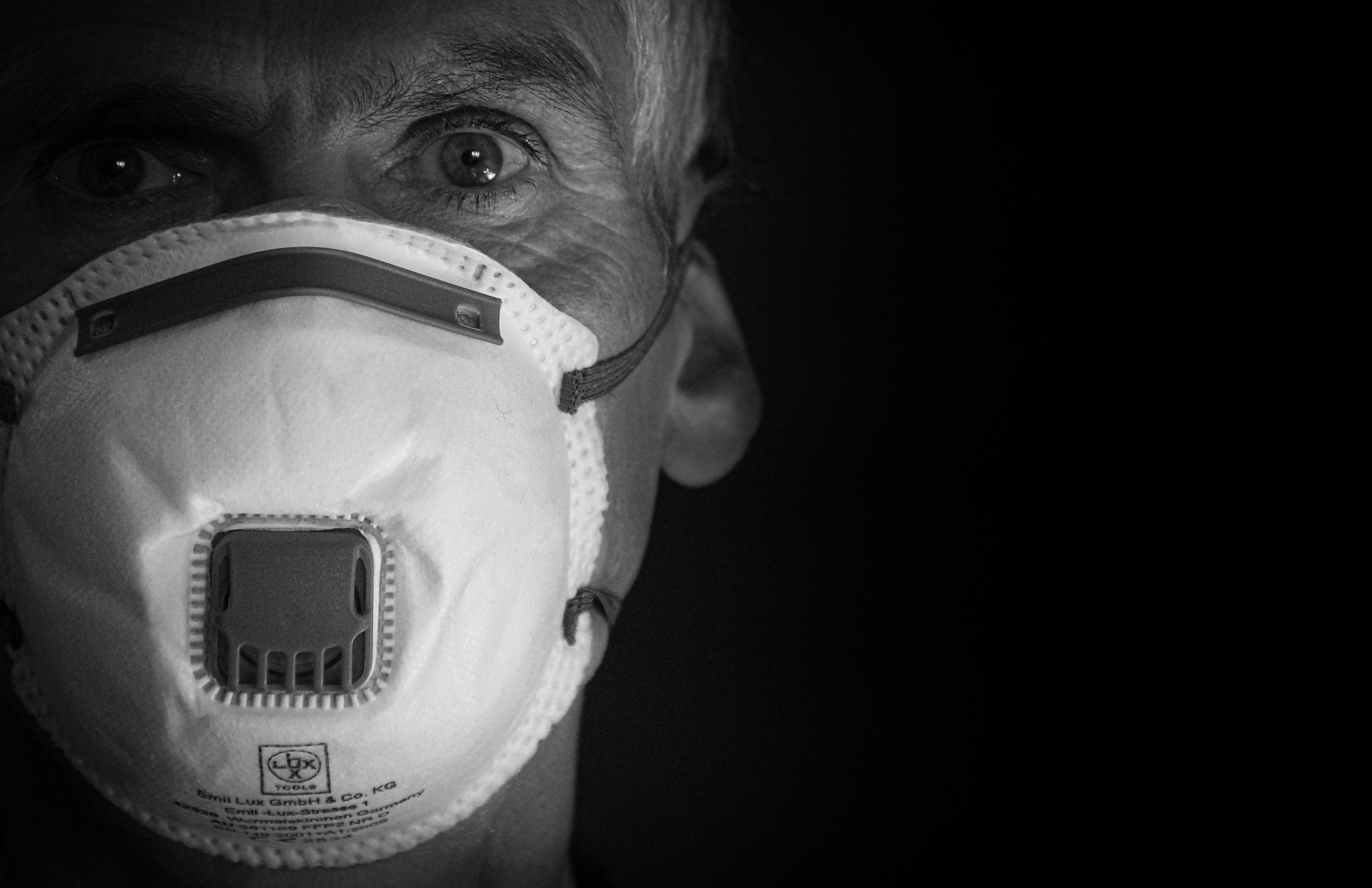
The term asbestlint lint is often used to describe tiny asbestos-containing fibers, dirt, or lint-like particles that end up in the air when asbestos-containing materials are damaged, disturbed, or deteriorated over the years It is used for miles and causes serious health risks when ingested
Asbestlint fibers are usually not visible to the naked eye because they are microscopic. This makes asbestos lint especially dangerous, causing exposure without obvious warning signs.
This booklet explains what asbestlint lint is, where it comes from, its fitness consequences, skills for handling asbestos-containing materials, safe disposal methods, and how to protect yourself
Asbestlint refers to tiny asbestos fibers that resemble lint or fine dust. These fibers are released into the air when asbestos-containing materials are:
- Broken
- Cut
- Drilled
- Sanded
- Renovated
- Demolished
- Naturally deteriorated due to age
Once airborne, these microscopic fibers can remain suspended for hours and may be inhaled into the lungs.
Unlike ordinary household dust, asbestos fibers do not break down easily and can remain in lung tissue for decades.
Asbestos is a naturally occurring mineral that was widely used throughout the 20th century because of its:
- Heat resistance
- Fireproof properties
- Electrical insulation
- Chemical resistance
- Durability
It was commonly added to thousands of construction and industrial products.
Asbestlint often originates from aging building materials that contain asbestos.
These include:
Older homes frequently contain asbestos insulation around:
- Pipes
- Boilers
- Furnaces
- Ductwork
Many ceiling tiles manufactured before the 1990s contained asbestos fibers.
Vinyl floor tiles and adhesives were commonly produced with asbestos.
Older roofs may contain:
- Roofing felt
- Shingles
- Flashing materials
Asbestos cement was used in:
- Siding
- Water pipes
- Exterior panels
- Garage walls
Popcorn ceilings installed before the 1980s may contain asbestos.
Older automobiles often contained asbestos in braking systems.
The danger comes from inhaling airborne asbestos fibers.
Once inhaled, these fibers:
- Become trapped in lung tissue
- Cause chronic inflammation
- Lead to scarring
- Increase the risk of cancer
Unlike many other airborne particles, asbestos fibers are extremely durable and remain inside the body for decades.
Exposure does not usually cause immediate symptoms.
Health problems often develop 20–50 years after exposure.
Major diseases include:
A chronic lung disease caused by long-term asbestos exposure.
Symptoms include:
- Shortness of breath
- Persistent cough
- Chest tightness
- Fatigue
Asbestos significantly increases lung cancer risk, particularly among smokers.
Symptoms include:
- Persistent cough
- Chest pain
- Weight loss
- Coughing blood
A rare but aggressive cancer affecting the lining of the lungs, abdomen, or heart.
Mesothelioma is strongly associated with asbestos exposure.
These are thickened areas on the lining of the lungs that may indicate previous asbestos exposure.
Fibers become airborne during:
- Home renovations
- Building demolition
- Drilling walls
- Cutting insulation
- Sanding flooring
- Water damage
- Fire damage
- Natural aging of materials
Even walking through contaminated areas may disturb settled asbestos dust.
Usually, no.
Individual asbestos fibers are microscopic.
Sometimes damaged insulation or deteriorating materials may appear dusty or fuzzy, but laboratory testing is required for confirmation.
You cannot identify asbestos by appearance alone.
Warning signs include:
- Buildings constructed before the 1990s
- Crumbling insulation
- Old vinyl flooring
- Damaged ceiling tiles
- Aging cement siding
- Pipe insulation
Professional laboratory testing is the only reliable method.
Certified asbestos inspectors typically:
- Collect material samples.
- Seal the samples safely.
- Send them to accredited laboratories.
- Analyze fibers using specialized microscopes.
Common laboratory methods include:
- Polarized Light Microscopy (PLM)
- Transmission Electron Microscopy (TEM)
Avoid disturbing the material.
Instead:
- Stay away from the area.
- Prevent others from entering.
- Turn off HVAC systems if fibers may be circulating.
- Contact a licensed asbestos inspection company.
- Wait for professional testing.
Asbestos removal requires specialized procedures.
Professionals typically:
- Seal the work area.
- Wear protective suits.
- Use HEPA filtration.
- Wet asbestos materials to reduce dust.
- Remove contaminated materials carefully.
- Dispose of waste according to regulations.
Improper removal increases airborne fiber levels dramatically.
Generally, no.
Never:
- Sweep asbestos dust
- Vacuum using household vacuums
- Sand contaminated materials
- Drill suspected asbestos
- Pressure wash asbestos siding
These activities spread fibers into the air.
If professionals are involved, cleanup may include:
- HEPA vacuum systems
- Wet wiping techniques
- Disposable protective clothing
- Negative air pressure systems
- Specialized waste containers
Workers handling asbestos typically wear:
- Disposable coveralls
- Respirators with appropriate filters
- Protective gloves
- Safety goggles
- Boot covers
Ordinary dust masks are generally not sufficient protection against airborne asbestos fibers.
Many countries regulate asbestos through strict occupational safety and environmental laws.
Regulations commonly require:
- Licensed contractors
- Approved disposal methods
- Air quality monitoring
- Worker protection standards
- Public safety notifications
Always follow local laws regarding asbestos inspection and removal.
Reduce exposure by:
- Inspecting older buildings before renovations.
- Avoiding unnecessary drilling or demolition.
- Hiring certified asbestos professionals.
- Maintaining asbestos-containing materials in good condition if they are not damaged.
- Following workplace safety procedures.
False.
Only laboratory testing can confirm asbestos.
False.
Although disease risk generally increases with greater cumulative exposure, there is no universally accepted “safe” level of inhaled asbestos exposure.
False.
Many older buildings do, but not all.
False.
Damaged asbestos should be evaluated by professionals.
Asbestlint generally refers to asbestos fibers or dust released from asbestos-containing materials.
Contaminated clothing should not be washed with regular household laundry. Specialized handling may be necessary to avoid spreading fibers.
Depending on air movement and disturbance, microscopic fibers can remain airborne for many hours before settling.
Yes. Anyone who inhales airborne asbestos fibers may be at risk.
Intact, undisturbed asbestos-containing materials often present much lower risk than damaged or disturbed materials. The greatest hazard arises when fibers become airborne.
Asbestlint refers to fine asbestos-containing dust or fibers that may be released when asbestos-containing materials are damaged or disturbed. Because these microscopic fibers can cause serious diseases such as asbestosis, lung cancer, and mesothelioma after prolonged or repeated exposure, they should always be treated with caution.
If you suspect asbestos in your home or workplace, avoid disturbing the material and arrange for professional inspection and testing. Safe handling, proper maintenance, and licensed removal when necessary are the most effective ways to reduce the risk of exposure and protect your health.