 By Sardar Hassan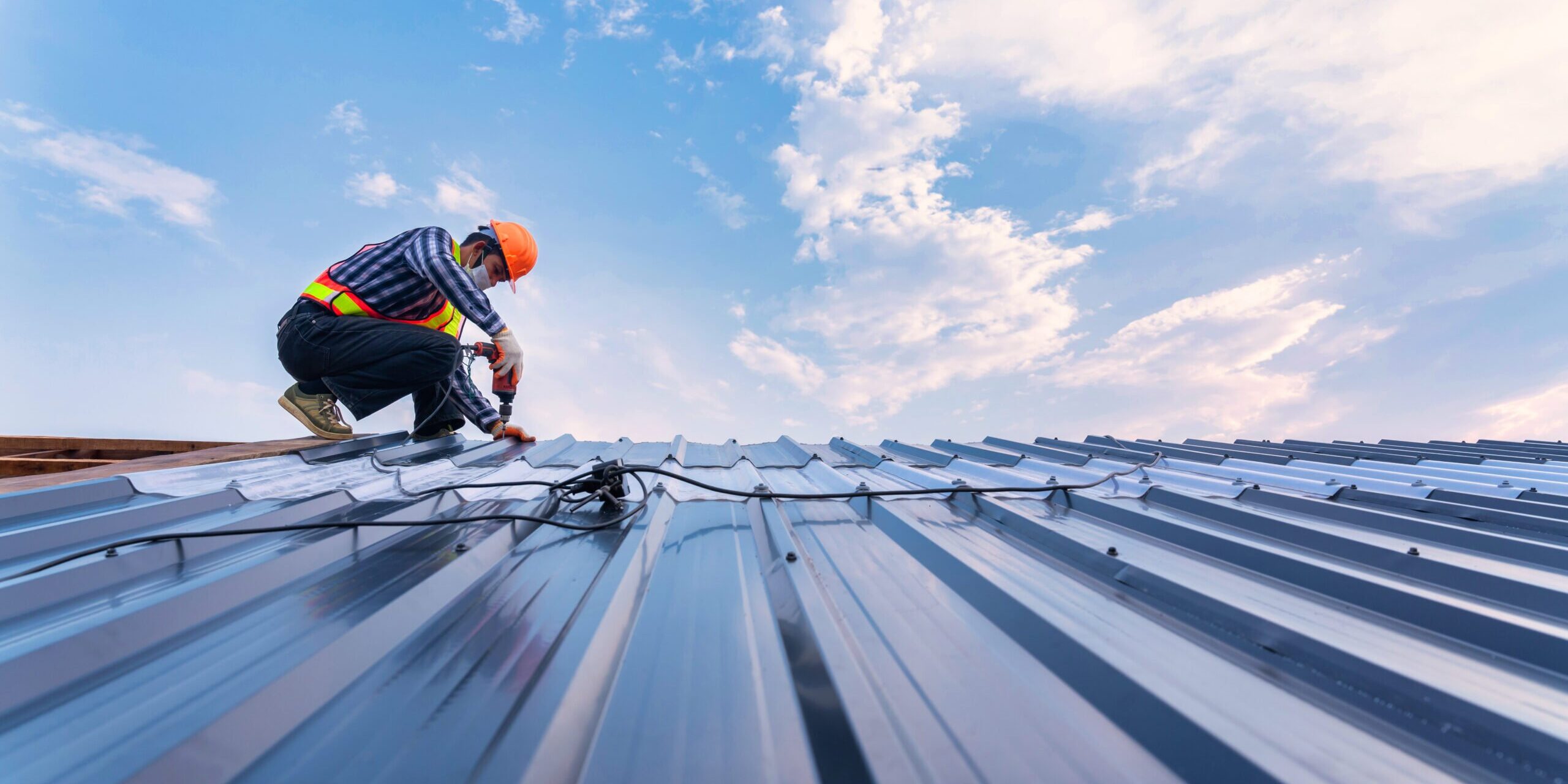
Many building owners believe commercial roofing projects have to wait until spring, but that isn’t always the case. With proper planning, experienced crews, and the right weather conditions, many commercial roof replacements can be completed successfully during the winter months. In fact, delaying a failing roof until warmer weather may allow leaks and structural damage to become much worse.
Winter presents unique challenges for commercial roofing. Snow, ice, freezing temperatures, shorter daylight hours, and changing weather conditions all require additional planning. Professional roofing contractors carefully monitor forecasts before starting a project and schedule installations during periods of safe weather whenever possible.
One of the first priorities is removing snow and ice from the work area. Roofing crews must begin with a clean, stable surface before installing insulation, cover boards, or roofing membranes. Keeping the roof dry helps ensure roofing materials perform as designed and reduces the risk of moisture becoming trapped beneath the new system.
Commercial roofing materials also require proper handling during colder temperatures. Roofing membranes such as EPDM, TPO, and PVC each have manufacturer installation guidelines regarding temperature, adhesives, welding procedures, and storage. Experienced contractors understand these requirements and follow them carefully to maintain the quality of the installation and protect manufacturer warranty coverage.
Safety becomes even more important during the winter. Ice-covered roof surfaces, frost, and strong winter winds increase the risk of slips and falls. Professional roofing crews use fall-protection systems, warning lines, roof anchors, and additional safety procedures while continuously monitoring weather conditions throughout the day.
Keeping the building protected during installation is another priority. Contractors often replace roofing sections in planned phases so only a limited portion of the roof is exposed at one time. If weather changes unexpectedly, waterproof tarps and temporary weather protection are immediately installed to keep the building dry until work can safely resume.
Winter is also an excellent time to inspect rooftop drainage systems. Snow and ice can block roof drains, scuppers, and gutters, increasing the risk of ponding water and ice accumulation. During a commercial roof replacement, these drainage components are inspected, cleaned, and repaired when necessary to improve long-term roof performance.
For many businesses, winter construction offers another advantage. Some commercial properties experience slower operations during the colder months, allowing roofing projects to be completed with less disruption to employees, customers, and daily business activities.
A professionally installed commercial roof is designed to protect your building year-round, including through Northeast Ohio’s harsh winters. With experienced crews, careful planning, quality materials, and strict safety procedures, winter commercial roofing projects can be completed safely while providing long-lasting protection against snow, ice, wind, and freezing temperatures.
Choosing an experienced Commercial Roofing contractor ensures your roof replacement is completed according to manufacturer specifications, even during challenging winter conditions. Proper installation today helps protect your building, employees, tenants, and investment for decades to come.
 admin
admin