 By Sardar Hassan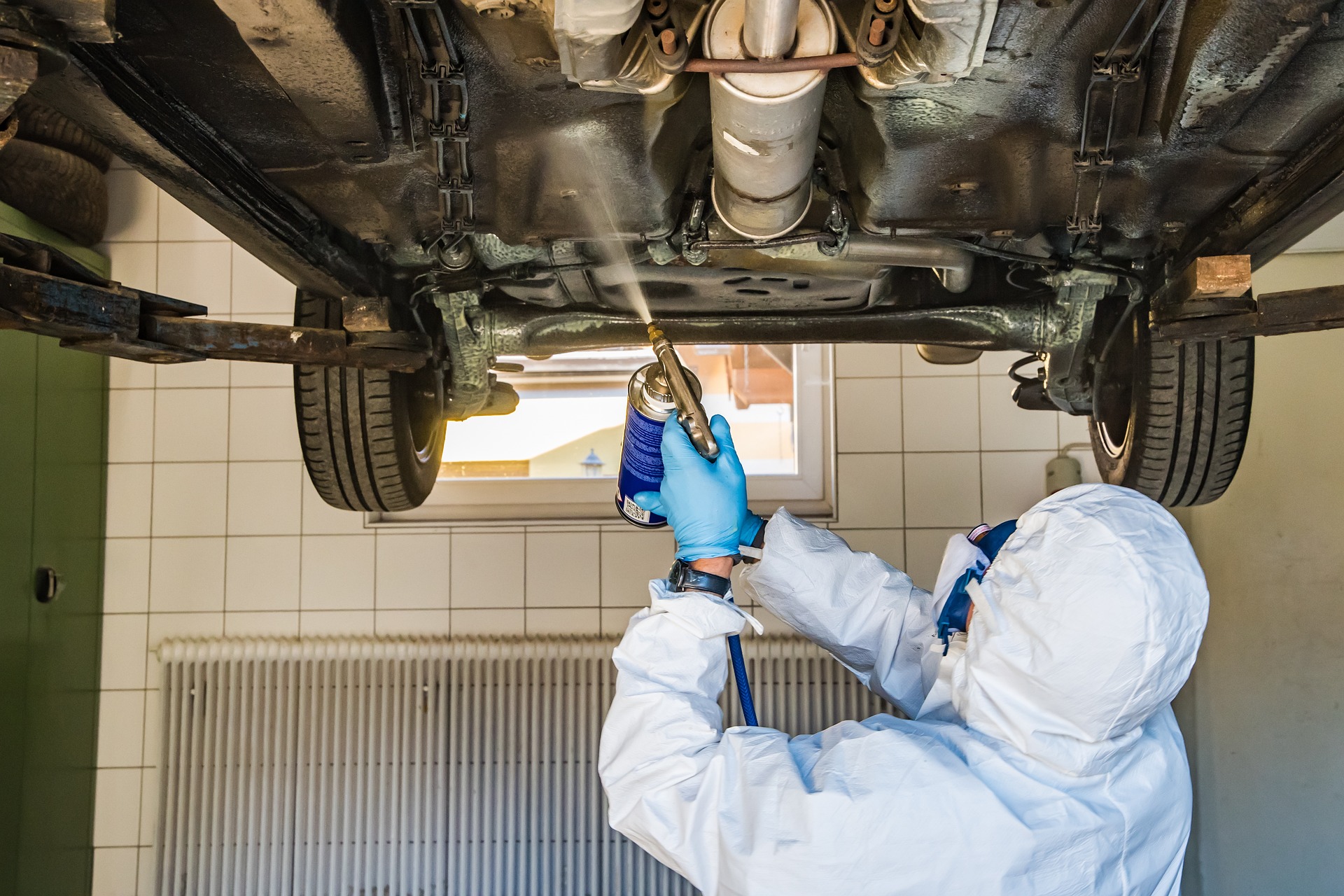
The chassis is one of the most important structural components of any vehicle, providing the foundation that supports the body, suspension system, drivetrain, and other critical systems. Because it operates close to the road surface, the chassis is constantly exposed to harsh environmental conditions, including moisture, road debris, salt, chemicals, dirt, and temperature fluctuations. Over time, these factors can contribute to corrosion, material degradation, and reduced structural integrity.
Chassis protection coating plays a vital role in preventing these issues by creating a protective barrier between the vehicle’s metal surfaces and the surrounding environment. By improving resistance against corrosion and physical damage, chassis coatings help extend vehicle lifespan, maintain safety, and reduce long-term maintenance costs.
A vehicle chassis is exposed to some of the most demanding operating conditions. Unlike exterior body panels, which are often visible and easier to clean and maintain, many chassis components are located underneath the vehicle where exposure to contaminants is continuous and difficult to monitor.
Water, mud, road salt, and industrial chemicals can accumulate in chassis areas and create an ideal environment for corrosion. Once corrosion begins, it can gradually weaken metal structures and affect the performance of connected components. In severe cases, corrosion can compromise safety-related areas such as mounting points, suspension attachments, and structural supports.
Chassis protection coating provides an additional layer of defense by sealing vulnerable surfaces and preventing harmful substances from reaching the underlying metal. This protection is especially important for vehicles operating in coastal areas, regions with heavy rainfall, cold climates where road salt is commonly used, or environments with rough and unsealed roads.
Chassis protection coatings are designed to adhere to metal surfaces and form a durable protective layer. Depending on the coating type and application method, these products can provide resistance against corrosion, abrasion, moisture, and chemical exposure.
Many modern chassis coatings use advanced formulations that remain flexible after application. This flexibility allows the coating to absorb vibration and movement from vehicle operation without cracking or separating from the surface. A flexible protective layer is particularly valuable in areas exposed to constant mechanical stress, such as suspension mounting points and underbody sections.
Some coatings also contain corrosion-inhibiting properties that actively slow down the chemical processes responsible for rust formation. By combining physical protection with corrosion resistance, these systems provide long-term protection in challenging environments.
Different vehicles and operating conditions require different protection solutions. Several types of chassis coatings are commonly used across automotive and industrial applications.
Rubberized coatings are widely used for underbody protection because they provide excellent impact resistance and help protect against stones, gravel, and road debris. Their flexible nature allows them to withstand movement and vibration.
Wax-based coatings are commonly used in areas where moisture protection is required. They can penetrate small gaps and provide a barrier against water and humidity, making them useful for internal chassis cavities and hard-to-reach areas.
Epoxy and polymer-based coatings offer strong adhesion and chemical resistance. These coatings are often selected for vehicles exposed to demanding environments where long-term durability is required.
Ceramic-based protective coatings represent a newer approach, offering high resistance to environmental damage and improved durability. These advanced coatings are increasingly used in applications where premium protection and extended service life are priorities.
One of the primary advantages of chassis protection coating is improved corrosion resistance. By preventing moisture and contaminants from reaching metal surfaces, coatings significantly reduce the risk of rust formation and structural deterioration.
A protected chassis can also improve vehicle reliability. Corrosion can affect many interconnected systems, including suspension components, brake lines, exhaust systems, and mounting brackets. Preventing corrosion helps maintain the performance of these components and reduces unexpected repair requirements.
Chassis coatings can also reduce maintenance expenses over the vehicle’s lifetime. While regular inspections and servicing remain important, a properly applied protective coating can reduce the frequency and severity of corrosion-related repairs.
For vehicle owners, chassis protection also helps preserve resale value. Vehicles with well-maintained underbody conditions are generally more attractive to buyers because they demonstrate better care and reduced risk of hidden structural issues.
The effectiveness of any chassis protection coating depends heavily on correct preparation and application. Before coating, surfaces must be thoroughly cleaned to remove dirt, oil, rust, and contaminants. Applying a coating over an improperly prepared surface can reduce adhesion and limit long-term performance.
Professional application typically involves inspecting the chassis, repairing existing corrosion where necessary, preparing the surface, and applying the coating evenly across vulnerable areas. The coating thickness, curing process, and environmental conditions during application can all influence the final result.
Selecting the right coating for the vehicle’s operating environment is also essential. A vehicle used in an urban environment may require different protection compared with a commercial vehicle operating on construction sites, rural roads, or coastal regions.
As vehicles become more advanced and manufacturers focus on longer service life, protecting structural components has become increasingly important. While modern vehicles often include factory corrosion protection, additional chassis coatings can provide enhanced protection in environments where exposure levels are higher.
For fleet operators, commercial vehicles, and owners who expect long-term vehicle ownership, chassis protection coating can be a valuable investment. Maintaining chassis condition not only supports reliability but also helps ensure vehicles continue operating safely under demanding conditions.
Chassis protection coating is an essential solution for protecting vehicles against corrosion, environmental damage, and long-term structural deterioration. By creating a durable barrier against moisture, chemicals, and road debris, these coatings help extend vehicle life, reduce maintenance costs, and preserve performance.
A vehicle’s chassis may not always be visible, but its condition directly affects safety and reliability. Investing in effective chassis protection ensures that vehicles are better prepared to withstand challenging environments and continue delivering dependable performance for years to come.
 admin
admin