 By admin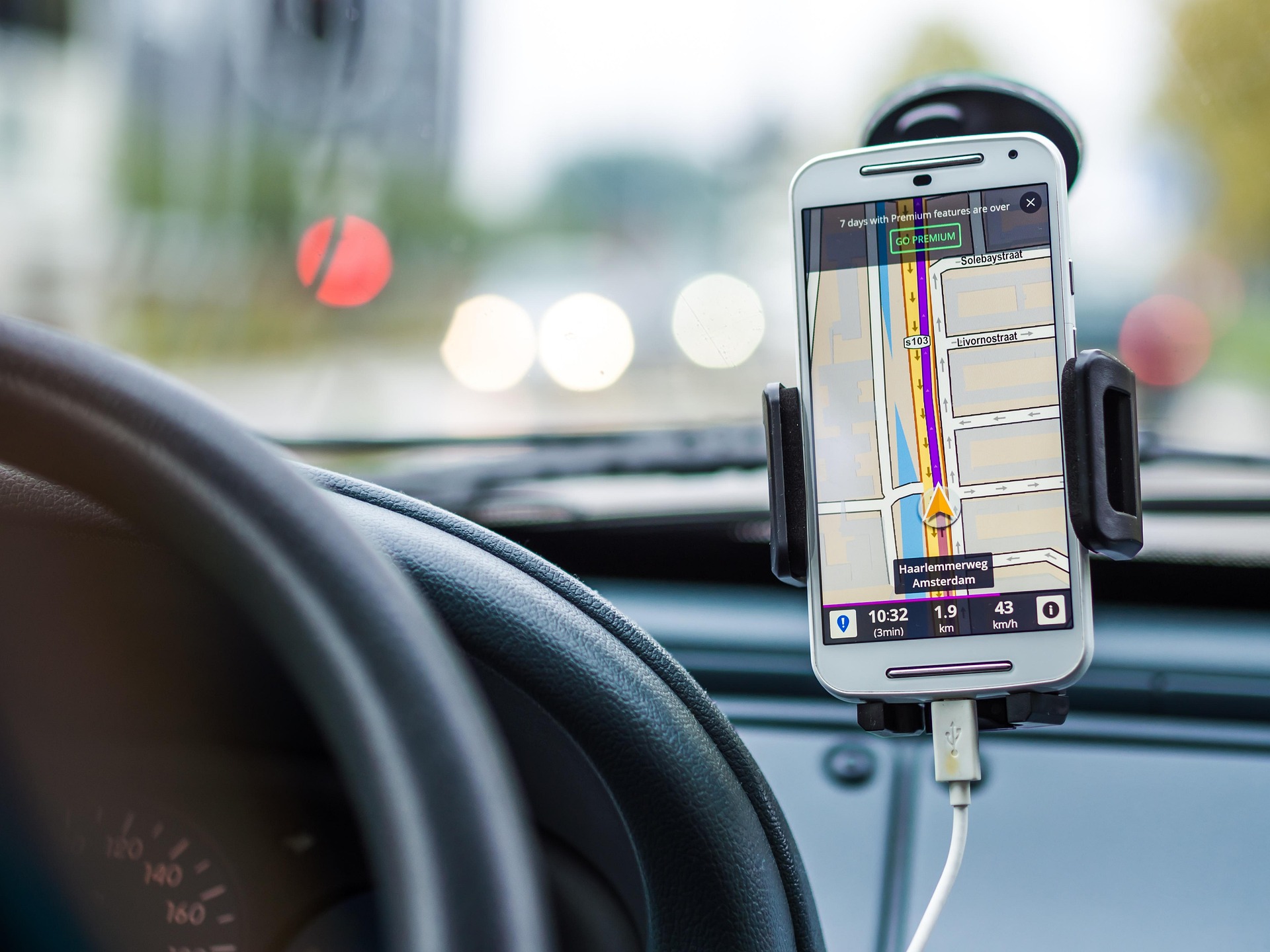
In hypermodern circumstances, it has become more necessary than ever to know where things are and how they are going in the international arena. This is where the Tracqueur generation comes into the picture. The term “Tracqueur” is commonly used to describe a tracking device, device, or software that monitors areas, movement, behavior, or pastimes of humans, cars, property, or even digital interactions Modern Tracqueur solutions rely on technology, including GPS, Bluetooth, WiFi, network sensors, sensors, help users live informed lives, improve protection and make smarter decisions primarily based on thorough monitoring records. In recent industry discussion, Tracqueur is described as an umbrella term for technology tracking that collects, examines, and disseminates movement or behavioral data across physical and digital environments .
Imagine finding a misplaced vehicle in a crowded parking lot, or inspecting a package containing an important commercial business order. Without monitoring tools, those situations can quickly become demanding and time-consuming. A Tracqueur acts as a digital detective, constantly monitoring and reporting facts so that users know exactly where an object or person is. As time becomes more and more sophisticated, Tracqueur systems become smaller, smarter and extra affordable, making them easier for companies and people Whether you manage a fleet of engines, protect precious assets, or clearly keep your property sing, Tracqueur technology provides practical solutions and peace of mind.
The word Tracqueur has roots in the French language and is closely associated with the concept of tracking or following something. In simple terms, Tracqueur can be translated as “tracker” in English. Historically, tracking involved following footprints, signs, or clues left behind by people or animals. Skilled trackers relied on observation, patience, and experience to locate targets. Over time, advances in technology transformed this traditional concept into automated systems capable of tracking objects and activities with incredible precision. Today, the meaning of Tracqueur extends far beyond physical tracking and includes digital monitoring, behavioral analytics, and real-time location services.
The evolution of Tracqueur reflects society’s growing need for information and transparency. In the past, tracking was limited to specialized professions such as law enforcement, wildlife research, and military operations. Now, tracking technologies are integrated into smartphones, vehicles, wearable devices, and online platforms. The transition from manual tracking to digital monitoring represents one of the most significant technological shifts of the modern era. Just as maps revolutionized navigation, Tracqueur systems have revolutionized how we monitor movement and manage resources. This evolution continues as artificial intelligence, machine learning, and predictive analytics become part of the tracking ecosystem, creating systems that not only monitor activity but also anticipate future events.
The increasing popularity of Tracqueur technology is closely linked to the demands of modern life. People expect instant access to information, whether they are tracking a package, locating a family member, monitoring a vehicle, or analyzing website traffic. Tracqueur systems satisfy this demand by delivering real-time updates that eliminate uncertainty. Businesses use tracking solutions to optimize operations, reduce costs, and improve customer service. Individuals rely on them for safety, convenience, and security. As a result, the adoption of tracking technologies has expanded across nearly every industry. Recent analyses highlight how tracking systems have become essential tools for logistics, transportation, personal safety, and digital analytics.
Another factor driving growth is affordability. A decade ago, advanced tracking systems were often expensive and reserved for large organizations. Today, compact GPS trackers, Bluetooth tags, and smartphone applications make tracking accessible to everyday consumers. The rise of cloud computing has further enhanced the value of Tracqueur technology by enabling users to access data from anywhere in the world. Combined with mobile applications and automated alerts, modern tracking solutions offer unprecedented levels of convenience. Whether you’re a parent ensuring a child’s safety, a business owner managing deliveries, or a traveler protecting luggage, Tracqueur systems provide valuable information that can save time, reduce stress, and improve decision-making.
GPS technology is one of the most common foundations of modern Tracqueur systems. A GPS-enabled tracker communicates with satellites orbiting the Earth to determine its precise location. By calculating signals from multiple satellites, the device can pinpoint its position and transmit that information to a mobile app, web platform, or monitoring center. This process occurs continuously or at predetermined intervals, depending on the device settings. GPS tracking is widely used in vehicle management, personal safety devices, and logistics operations because it offers reliable location accuracy over large geographic areas. Industry sources identify GPS as the core technology behind many modern tracking systems.
Bluetooth and Wi-Fi technologies provide alternative tracking methods for shorter distances. The Bluetooth trackers are commonly attached to keys, wallets, bags, and other personal belongings. When connected to a smartphone, these devices help users locate lost items within a limited range. Wi-Fi-based tracking, on the other hand, utilizes wireless networks to estimate a device’s location. While these technologies may not offer the same coverage as GPS, they excel in indoor environments where satellite signals can be weak. Their affordability and low power consumption make them ideal for consumer-focused applications.
Modern Tracqueur solutions often rely on cloud computing to store, process, and analyze tracking data. Cloud platforms enable users to access information from any internet-connected device, providing a centralized dashboard for monitoring activities. Businesses benefit from cloud-based tracking because it supports large-scale operations involving multiple assets, vehicles, or employees. Advanced systems can generate reports, identify trends, and send automated notifications based on predefined conditions. This integration of tracking and analytics transforms raw data into actionable insights that improve efficiency and decision-making.
| Type of Tracqueur | Primary Purpose | Common Users |
|---|---|---|
| GPS Trackers | Real-time location monitoring | Vehicle owners, fleet managers |
| Bluetooth Trackers | Finding personal items | Consumers |
| Pet Trackers | Animal location monitoring | Pet owners |
| Fitness Trackers | Health and activity tracking | Individuals |
| Asset Trackers | Logistics and inventory management | Businesses |
| Digital Trackers | Monitoring online behavior | Websites and marketers |
Personal trackers are designed to help individuals monitor their own location or the location of loved ones. These devices are often used by parents, caregivers, travelers, and outdoor enthusiasts. Features such as emergency alerts, geofencing, and real-time monitoring enhance safety and provide reassurance.
Vehicle tracking systems allow owners and fleet managers to monitor cars, trucks, motorcycles, and other vehicles. These solutions help prevent theft, optimize routes, reduce fuel consumption, and improve overall fleet performance.
Businesses use asset tracking systems to monitor inventory, shipments, equipment, and valuable resources. By providing real-time visibility into supply chains, these trackers improve operational efficiency and reduce losses.
Modern Tracqueur systems are packed with features that go far beyond simple location tracking. Real-time monitoring remains the cornerstone, but many devices now include geofencing, motion detection, route history, predictive analytics, and automated alerts. Geofencing allows users to create virtual boundaries and receive notifications when an object enters or exits a designated area. Motion detection helps identify unauthorized movement, while route history provides valuable insights into travel patterns and behavior.
Many advanced solutions also integrate with smartphones, smartwatches, and cloud-based dashboards. This connectivity ensures that users receive instant updates and can respond quickly to potential issues. Businesses particularly value reporting and analytics features, which transform tracking data into meaningful information that supports strategic decision-making. As artificial intelligence becomes more prevalent, future Tracqueur systems are expected to provide even deeper insights through predictive modeling and automated recommendations.
Security remains one of the strongest reasons for adopting Tracqueur technology. Whether protecting a vehicle, monitoring a shipment, or safeguarding personal belongings, tracking systems significantly reduce the risk of loss and theft. Real-time location data allows users to respond quickly when something goes wrong.
Having access to real-time information provides greater control and confidence. Users no longer need to guess where assets are located or when they will arrive. Instead, they can view accurate updates instantly through connected devices.
Businesses benefit from increased efficiency through optimized routes, reduced downtime, and better resource allocation. By analyzing tracking data, organizations can identify inefficiencies and implement improvements that reduce costs and enhance performance.
Most people interact with Tracqueur technology more often than they realize. Smartphones track location for navigation apps. Fitness wearables monitor daily activity and health metrics. Delivery services provide live updates on package locations. Even ride-sharing platforms rely heavily on tracking systems to connect drivers and passengers. These everyday applications demonstrate how deeply tracking technology has become embedded in modern routines.
The convenience provided by Tracqueur solutions often goes unnoticed because it has become expected. We assume that maps will guide us accurately, that packages can be tracked online, and that smart devices will provide useful data about our activities. Behind each of these experiences lies a sophisticated tracking infrastructure that continuously collects, processes, and communicates information. As technology continues advancing, the role of Tracqueur systems in daily life will only expand further.
Businesses across multiple industries rely on Tracqueur systems to improve operational performance. Logistics companies track shipments to ensure timely deliveries and maintain customer satisfaction. Transportation firms monitor vehicle locations and driver behavior to optimize routes and reduce fuel costs. Retailers use inventory tracking to manage stock levels and prevent losses. Construction companies monitor expensive equipment to improve utilization and reduce theft risks.
The value of business tracking extends beyond visibility. By collecting historical data, organizations can identify patterns, forecast trends, and make informed decisions. This data-driven approach supports better planning, improved resource management, and enhanced customer experiences. As competition intensifies, companies that leverage Tracqueur technology effectively gain significant advantages in efficiency and responsiveness.
Physical tracking represents only one side of the Tracqueur landscape. Digital tracking plays an equally important role in today’s online environment. Websites, applications, and digital platforms use tracking technologies to monitor user behavior, measure engagement, and improve performance. Cookies, analytics tools, and behavioral monitoring systems collect data about how users interact with digital content.
This information helps businesses understand customer preferences, optimize user experiences, and improve marketing strategies. However, digital tracking also raises important questions about privacy and consent. Users increasingly demand transparency regarding how their data is collected and used. As a result, organizations must balance the benefits of digital tracking with ethical and regulatory responsibilities. Industry experts emphasize that trust and transparency are becoming essential components of modern tracking practices.
As Tracqueur technology becomes more widespread, concerns about privacy and ethics continue to grow. Tracking systems can collect detailed information about movements, behaviors, and activities. While this data provides valuable insights, it also creates potential risks if misused or accessed without authorization. Users have legitimate concerns about who controls their data, how long it is stored, and whether it can be shared with third parties.
Many countries have introduced regulations designed to protect user privacy and ensure responsible data handling. Organizations must obtain consent, provide transparency, and implement strong security measures to safeguard collected information. Ethical tracking is not simply a legal requirement; it is a foundation for building trust with users. The most successful Tracqueur solutions are those that balance functionality with respect for individual privacy rights.
Despite its many benefits, Tracqueur technology is not without challenges. GPS signals can be affected by weather conditions, dense urban environments, and indoor locations. Battery life remains a concern for portable tracking devices, particularly those that transmit data frequently. Connectivity issues can also impact performance in remote areas with limited network coverage.
Privacy concerns present another significant challenge. Users may hesitate to adopt tracking solutions if they feel their personal information is at risk. Businesses must invest in robust cybersecurity measures to protect data from unauthorized access and cyber threats. Cost considerations, maintenance requirements, and technical complexity can also influence adoption decisions. Understanding these limitations helps users select the most appropriate solution for their specific needs.
The future of Tracqueur technology is closely tied to advancements in artificial intelligence, machine learning, and the Internet of Things (IoT). Future systems are expected to move beyond simple tracking and become predictive platforms capable of anticipating events before they occur. AI-powered analytics may identify unusual patterns, predict maintenance needs, and recommend actions based on historical data.
Miniaturization is another important trend. Tracking devices are becoming smaller, lighter, and more energy-efficient, enabling deployment in a wider range of applications. Integration with smart cities, autonomous vehicles, and connected infrastructure will create new opportunities for innovation. Industry observers predict that future Tracqueur systems will deliver greater accuracy, enhanced automation, and improved user control over data privacy.
Tracqueur technology has evolved from a simple tracking concept into a powerful ecosystem of tools that support security, efficiency, and informed decision-making. Whether used for personal safety, asset protection, logistics management, or digital analytics, Tracqueur systems provide valuable visibility into the movement and behavior of people, objects, and data. Their ability to deliver real-time insights has made them indispensable across industries and everyday life.
As technology continues advancing, Tracqueur solutions will become even more intelligent, connected, and user-friendly. Organizations and individuals who understand how these systems work can take full advantage of their benefits while remaining mindful of privacy and ethical considerations. In a world increasingly driven by data, Tracqueur technology is poised to remain at the center of innovation and connectivity.
Tracqueur is a term derived from French that generally means tracker. It refers to devices or systems that monitor location, movement, activity, or behavior.
A Tracqueur uses technologies such as GPS, Bluetooth, Wi-Fi, sensors, and cloud computing to collect and transmit tracking data in real time.
Common uses include vehicle tracking, package monitoring, personal safety, pet tracking, fitness tracking, and digital analytics.
Yes, Tracqueur technology is legal when used responsibly and in compliance with local privacy and data protection regulations.
Future Tracqueur solutions are expected to integrate artificial intelligence, predictive analytics, IoT connectivity, and advanced automation to deliver smarter and more accurate tracking capabilities.