 By Sardar Hassan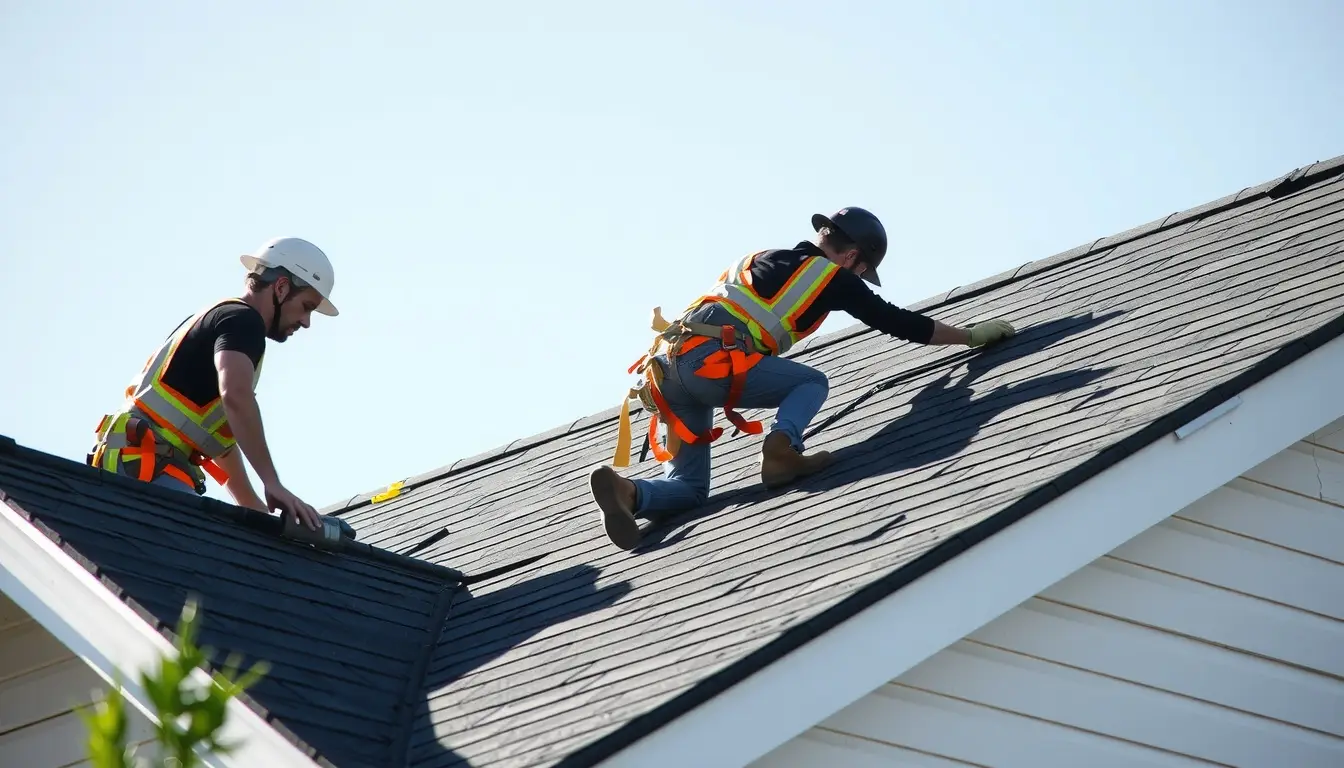
Roofing isn’t exactly something we think about until a drip lands on our forehead during a storm. It is easy to assume that once those shingles or metal panels are nailed down, they stay put forever. But the truth is that roofs are constantly moving and shifting under our feet. If you are noticing gaps where things used to meet, you might be looking for a roof repair Eagle Mountain expert to get things sealed back up before the next big rain. Understanding why these joints fail is the first step in keeping your attic dry and your home safe.
Mother Nature is probably the biggest reason your roof joints start to pull apart. Think about what your roof goes through in a single day. In the morning, it might be cool and crisp, but by 2:00 PM, the sun is beating down and baking those materials at high temperatures.
Most roofing materials, whether they are metal, asphalt, or wood, expand when they get hot and shrink when they cool down. This cycle happens every single day. Over years of stretching and shrinking, the fasteners, like nails or screws, can start to back out. When the material moves but the fastener stays still, or vice versa, a gap forms. Once that joint opens up even a fraction of an inch, the seal is broken.
Sometimes the problem starts on day one. A roof is only as good as the person who put it together. If the joints weren’t overlapped correctly or if the flashing was tucked in the wrong direction, gravity and wind will eventually win the battle.
Contractors sometimes try to save time by using fewer nails or skipping the sealant in areas that aren’t easily visible. If a joint isn’t secured to the structural decking properly, it has too much room to “breathe.” That extra wiggle room leads to separation much faster than a roof that was installed tightly and to code. It is a classic case of a small mistake in the beginning turning into a massive headache five years down the line.
We often underestimate the power of a strong gust of wind. It doesn’t take a hurricane to damage a roof. Instead, it is the constant “uplift” pressure. Wind hitting the side of your house travels up the wall and tries to peel the edges of your roof back.
This pressure puts a massive amount of strain on the joints, especially at the ridges and the eaves. If the wind manages to get underneath a shingle or a piece of flashing, it acts like a lever. It pries the joint apart little by little. Over time, those joints lose their grip, and you end up with a visible separation that lets in moisture and pests.
Houses are not static objects. They are heavy structures sitting on soil that shifts, dries out, and gets soaked. As a house settles into its foundation, the wooden framing of the attic can shift slightly.
Even a shift of half an inch in the rafters can cause the roof deck to pull in different directions. Because the roofing material is attached to that deck, it has to go where the wood goes. This creates “tension points” at the joints. If the house leans or settles unevenly, the joints are often the first place to show the stress because they are the weakest points in the entire roof system.
Many modern roofs rely on specialized caulking, tapes, or tar-based adhesives to stay watertight at the joints. These chemicals are great, but they don’t last forever. UV rays from the sun are incredibly good at breaking down the molecular bonds in these sealants.
After a few years, that flexible, rubbery sealant turns brittle and cracks. Once it loses its elasticity, it can no longer bridge the gap between two moving pieces of roofing. When the sealant fails, the joint effectively separates, even if the nails are still holding. This is why regular inspections are so important. Catching a dried-out seal early is much cheaper than replacing a rotted piece of plywood later.
Maintaining a roof is all about staying ahead of the elements and making sure those small gaps don’t turn into big leaks. If you see daylight through your attic or notice shingles lifting at the edges, don’t wait for a puddle to form on your floor. Calling in a professional for a roof repair Eagle Mountain assessment can save you thousands of dollars in interior damage. A little bit of proactive care goes a long way in keeping your home dry and your roof intact for years to come.
 admin
admin