 By admin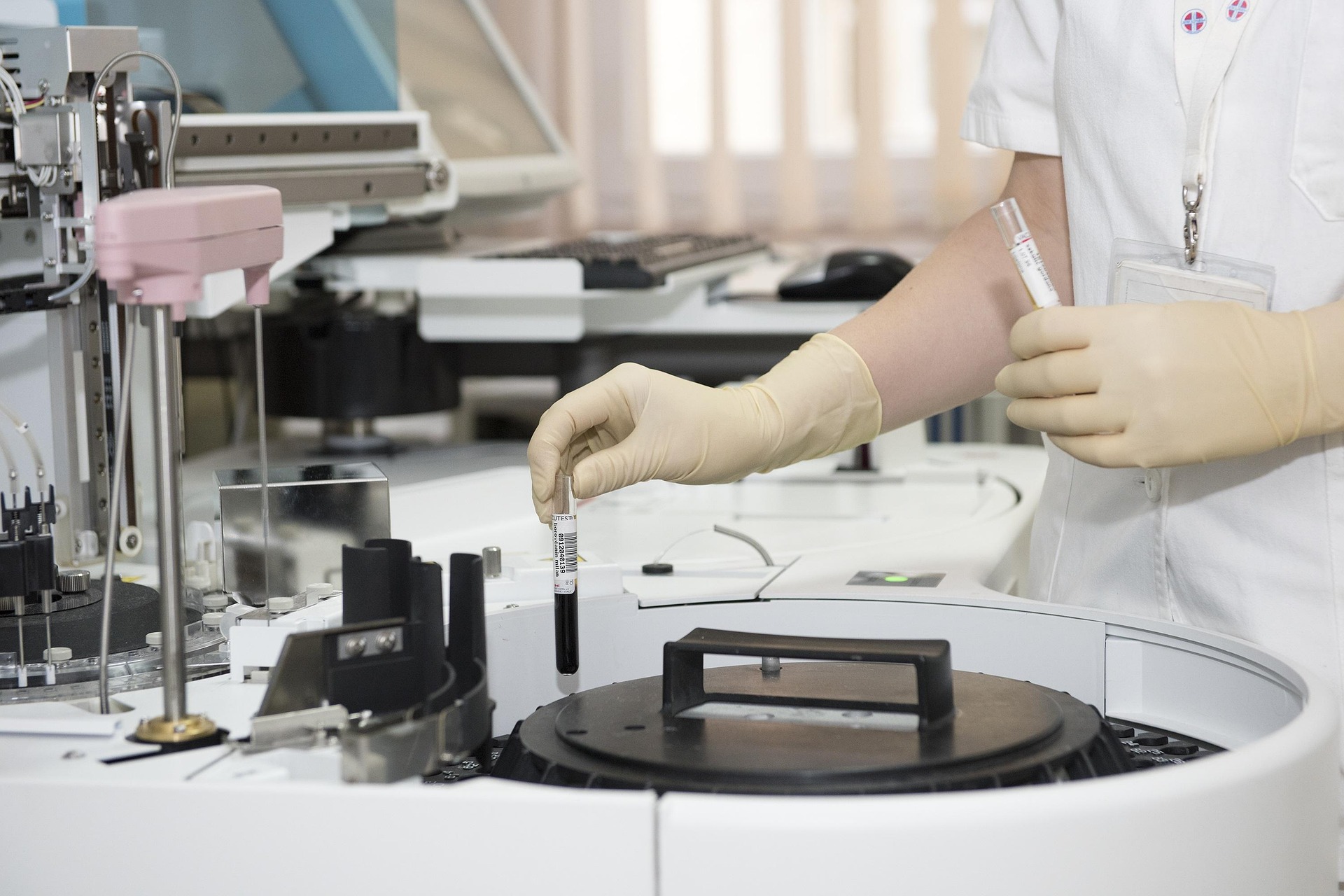
Nionenad is a specialized system or technology used in advanced industrial and scientific processes. At its core, it serves as a platform that integrates precision, efficiency, and adaptability. While the term may sound technical, its purpose is simple: to improve the accuracy and functionality of complex operations across various industries.
The technology focuses on optimizing processes and enhancing output while minimizing errors. Its versatility makes it suitable for applications ranging from laboratory research to large-scale manufacturing operations. In essence, nionenad acts as a bridge between human oversight and automated precision, ensuring operations run smoothly and consistently.
Several features distinguish nionenad from conventional systems:
- High precision and reliability in measurements and outputs.
- Integration capabilities with both hardware and software platforms.
- Scalability that allows adaptation to small-scale experiments or industrial operations.
- Real-time monitoring and adjustment to maintain optimal performance.
These features collectively make nionenad a technology of choice for industries and research institutions aiming for excellence and efficiency.
The concept of nionenad first emerged in response to the need for higher accuracy in technical operations. Early iterations were basic mechanical or electronic systems, designed to perform specific tasks with limited functionality.
Over time, engineers and scientists recognized the potential of integrating automated feedback systems and sensors. This allowed nionenad to evolve from a simple tool into a multifunctional technology capable of supporting complex workflows.
As technology advanced, nionenad incorporated digital controls, software algorithms, and networked capabilities. Modern versions now feature artificial intelligence and machine learning, enabling predictive adjustments and improved efficiency.
Industries such as pharmaceuticals, electronics, and materials science adopted nionenad early, recognizing its ability to reduce errors, enhance repeatability, and streamline processes.
Nionenad finds significant application in manufacturing and industrial processes. For example, precision assembly lines use nionenad systems to ensure components fit perfectly, reducing waste and improving product quality.
It also helps monitor complex machinery, identifying deviations before they escalate into costly failures. By providing real-time feedback and adjustments, nionenad improves operational efficiency and reduces downtime.
In laboratories and research environments, nionenad facilitates highly controlled experiments. Researchers use it to manage variables accurately, ensuring reproducibility and minimizing human error.
Its ability to integrate with sensors and data analysis software allows for continuous monitoring and data collection, which is critical for experimental consistency.
Nionenad isn’t limited to industrial and research contexts. It increasingly integrates with consumer technology, especially in smart devices, home automation, and personal electronics. Its precision and adaptability make it ideal for products that require consistent performance over time.
At its core, nionenad relies on a combination of sensors, actuators, and computational systems. These components work together to monitor performance, detect deviations, and execute adjustments in real time.
Sensors continuously collect data, while software algorithms analyze it to identify discrepancies. Actuators then make precise changes, ensuring the system stays within the desired parameters.
- Data Collection: Sensors gather real-time information on key variables.
- Analysis: Software algorithms evaluate data for accuracy and detect anomalies.
- Adjustment: Actuators implement precise corrections to maintain optimal function.
- Monitoring: Continuous monitoring ensures consistency and allows predictive adjustments.
- Documentation: All actions and readings are recorded for traceability and review.
Nionenad significantly improves operational accuracy, reducing errors and enhancing output quality. In industries where even minor mistakes can be costly, this precision is invaluable.
While initial implementation may require investment, nionenad reduces long-term operational costs. It minimizes waste, prevents damage to equipment, and reduces downtime, making it a financially sound choice for businesses.
Implementing nionenad can be complex. It requires skilled personnel for installation, calibration, and maintenance. Additionally, integrating it with legacy systems can pose compatibility challenges.
Certain environmental factors, such as temperature, humidity, or vibration, can impact nionenad’s performance. Maintaining optimal conditions is essential for accurate operation.
The future of nionenad is tied to advancements in AI, IoT, and smart automation. Future systems may offer fully autonomous operation with minimal human oversight.
As industries seek higher efficiency and reliability, the demand for nionenad is likely to grow. Experts predict widespread adoption across sectors, particularly in precision manufacturing, healthcare, and scientific research.
Compared to traditional measurement and automation systems, nionenad offers higher accuracy, faster response times, and better adaptability. It reduces human error and allows for real-time adjustments that older systems cannot match.
- Real-time adaptive corrections
- Integration with advanced software and AI
- Scalability for both small and large operations
- Enhanced reliability and consistency
Nionenad represents a significant advancement in precision technology. From industrial manufacturing to scientific research, its ability to enhance accuracy, efficiency, and reliability makes it indispensable. As technology continues to evolve, nionenad’s role in shaping smarter, more effective systems will only grow stronger.
Nionenad is a precision system that monitors, adjusts, and optimizes operations in industrial, scientific, and consumer applications.
It ensures accuracy, improves efficiency, and reduces errors across various processes.
Industries, laboratories, smart devices, and automated systems rely on nionenad for consistent performance.
It uses sensors to collect data, software to analyze it, and actuators to make precise adjustments in real time.
Future systems will integrate AI and IoT for smarter, fully automated, and highly accurate operations.