 By admin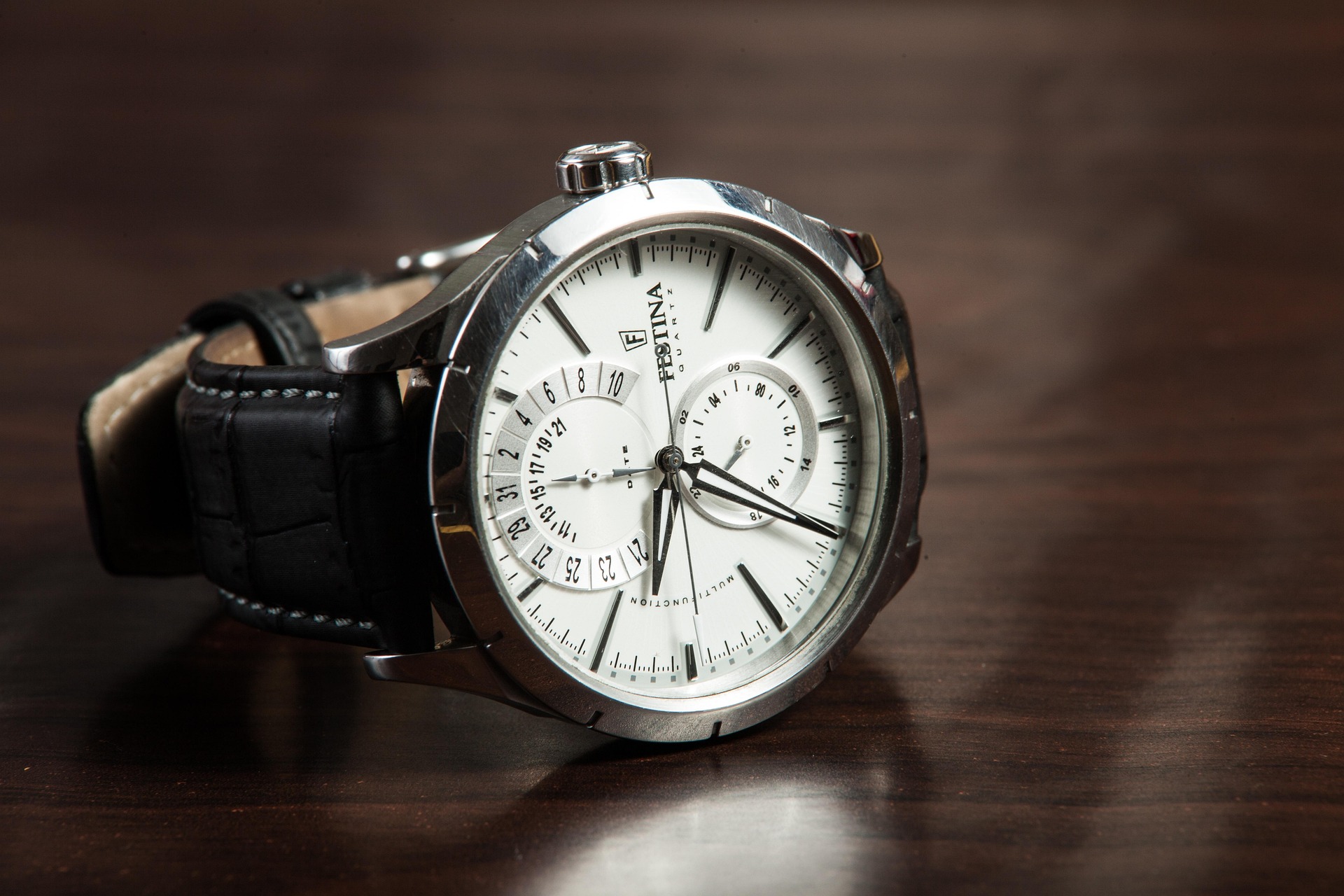
A luxury watch is defined not only by its case, dial, or prestigious name. At the heart of every timepiece is its movement — the mechanism responsible for keeping time. Two of the most familiar options are automatic and quartz movements. They serve the same basic purpose but differ considerably in technology, accuracy, maintenance, and the experience they offer to the owner.
Knowing how each type works can help buyers choose a watch that suits both their lifestyle and their expectations.
An automatic watch is a mechanical timepiece that winds itself through the natural movement of the wearer’s wrist. A rotating weight, known as a rotor, moves inside the movement and transfers energy to the mainspring. The stored energy then powers the watch.
This type of movement does not normally need a battery. If the watch is worn regularly, wrist motion helps keep it running. When left unused for longer than its power reserve allows, it may stop and need to be wound or reset.
Automatic watches attract enthusiasts because they combine traditional craftsmanship with sophisticated engineering. Their movements may contain dozens or even hundreds of precisely manufactured components working together.
Quartz technology uses a completely different principle. A battery sends an electrical signal through a quartz crystal, causing it to vibrate at a highly consistent frequency. These vibrations regulate the movement and enable highly accurate timekeeping.
The result is a practical watch that requires relatively little attention. In most cases, a quartz model can continue operating for years before a battery replacement is required.
Luxury manufacturers may combine quartz technology with premium case materials, carefully finished dials, gemstones, high-quality bracelets, and sophisticated design. A quartz movement therefore does not automatically make a watch less luxurious.
Buyers should consider several characteristics before choosing between the two:
- automatic movements emphasize mechanical craftsmanship, while quartz movements prioritize electronic precision;
- quartz watches generally provide greater everyday accuracy;
- automatic watches require periodic servicing of their mechanical components;
- quartz watches usually involve simpler maintenance;
- an automatic watch may stop when it is not worn for an extended period;
- quartz models continue operating independently until their battery is depleted.
Neither system is universally better. The right choice depends on what the owner values most.
Mechanical watchmaking has centuries of history, and automatic movements preserve much of that tradition. For collectors, part of the appeal comes from knowing that a miniature mechanical system is operating continuously on the wrist.
Automatic calibers can also feature sophisticated complications such as chronographs, annual calendars, moon-phase indicators, dual-time displays, and tourbillons.
The SwissWatchesForSale catalog reflects the strong role mechanical watches continue to play in the luxury market, with automatic models forming a substantial part of its current selection.
When browsing luxury watches for men and women, buyers can compare automatic and quartz models together with manual-winding and other movement configurations.
Quartz can be an excellent choice for someone who values convenience. There is no need to keep the watch wound, accuracy is typically excellent, and everyday maintenance is straightforward.
It can also suit owners who rotate several watches. An automatic model may need its time and date reset after sitting unused, while a quartz watch will normally remain ready to wear.
The decision ultimately comes down to priorities. Buyers fascinated by mechanical engineering, heritage, and traditional watchmaking may prefer an automatic movement. Those who prioritize precision, convenience, and low-maintenance ownership may find quartz more suitable.
Both technologies have earned a place in luxury watchmaking. Instead of treating one as inherently superior, consider how often the watch will be worn, how much maintenance is acceptable, and which type of movement makes ownership more enjoyable. A luxury watch should ultimately combine reliable performance with the design, craftsmanship, and character that make you want to wear it for years.
[…] of people search for a phrase, that phrase can develop its own digital presence. Websites may publish content specifically designed to answer the query, which can then increase the amount of information […]